



Head office:
Via Vittorio Veneto 24A
Bresso (MI)
(vehicle production 1948–1974; Bresso plant with its own test track, moved to Varedo in 1971)
Behind the name Iso stands a company that changed trade several times. In 1939 Renzo Rivolta took over Isothermos, a maker of refrigeration units and radiators near Genoa. During the war production moved to Bresso on the outskirts of Milan, where the workshops gradually rose beside the family home. From 1948 Rivolta built scooters and light motorcycles; in 1952 the firm took the name Iso Autoveicoli. In 1953 came the Isetta, the egg-shaped microcar with its door at the front. In Italy the numbers stayed modest, but at the end of 1954 the licence went to Munich – as the BMW Isetta it became a mass-market success; further licences led to France (Velam) and Brazil (Romi). In 1954 the plant got its own test track of about 750 metres with banked curves. With the Rivolta GT the company turned in 1962 to large grand tourers with American V8 engines, and from 1965 the Grifo joined them. After Renzo Rivolta’s death in 1966 his son Piero continued the business; in 1971 the Bresso halls were sold and production moved to Varedo. In 1974 it was over.
The surviving works drawing is dated 17 June 1961. At that time the company traded as Iso S.p.A. Automotoveicoli and had its administrative offices in Milan at Corso Venezia 16.
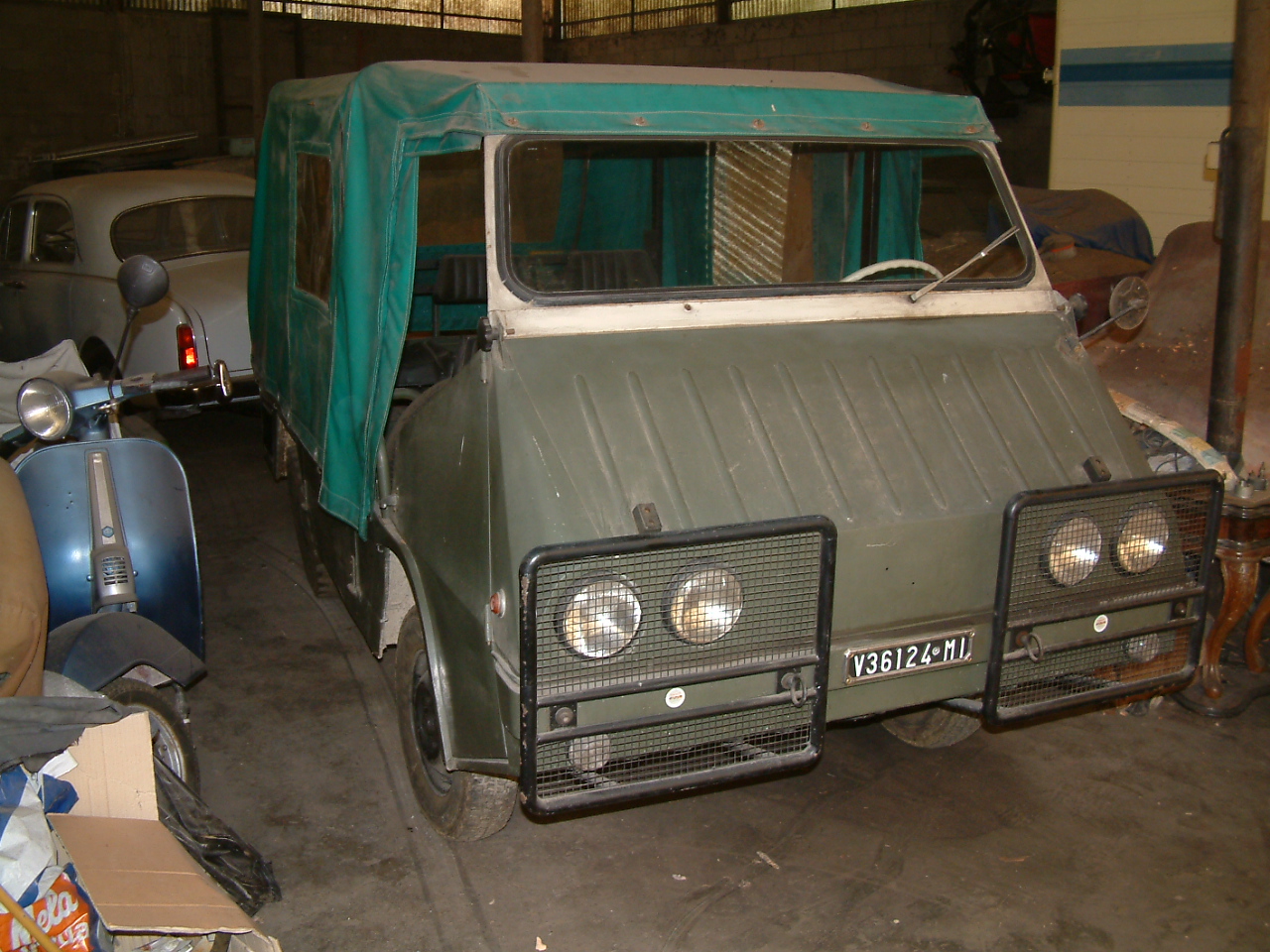
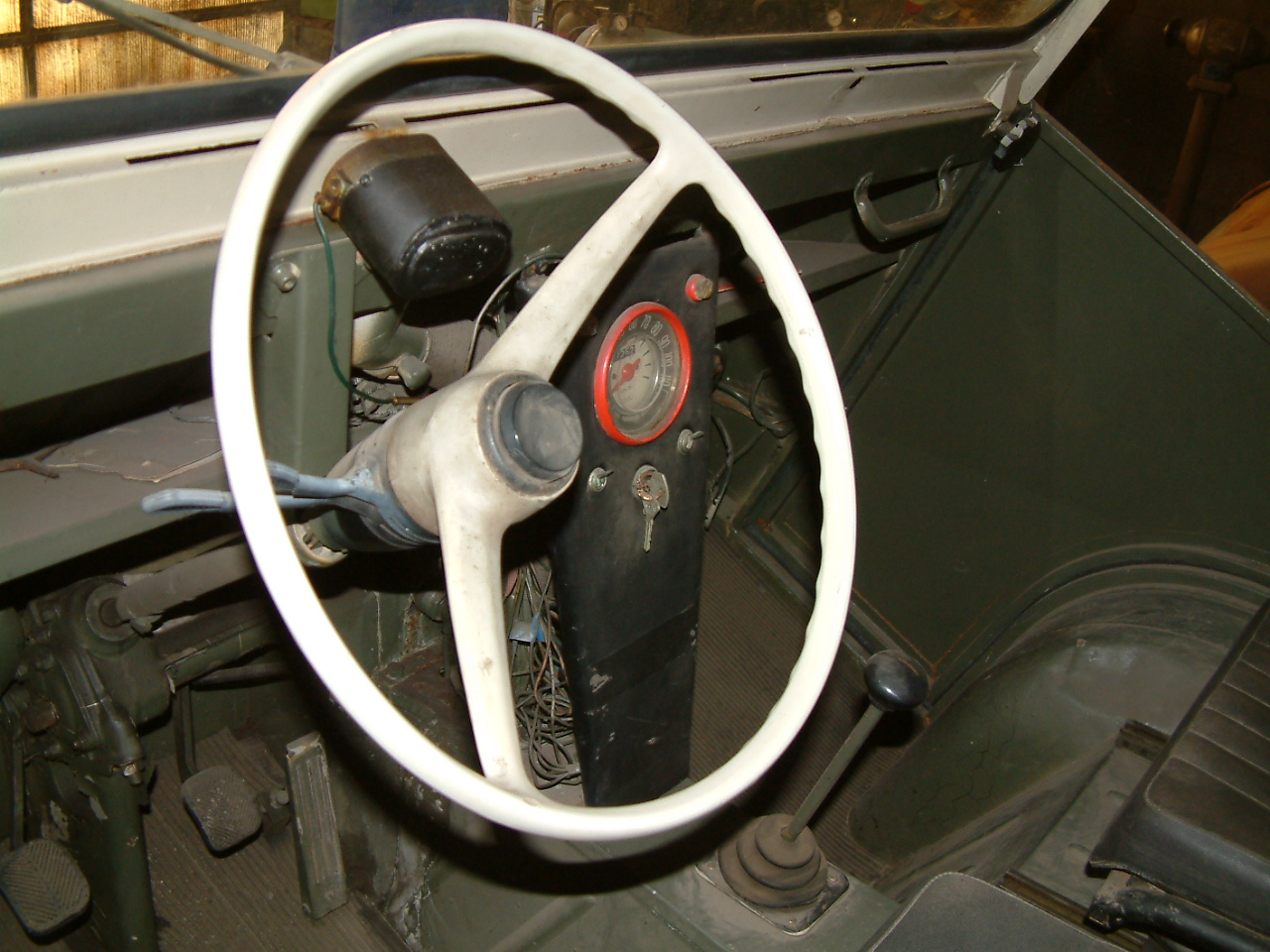
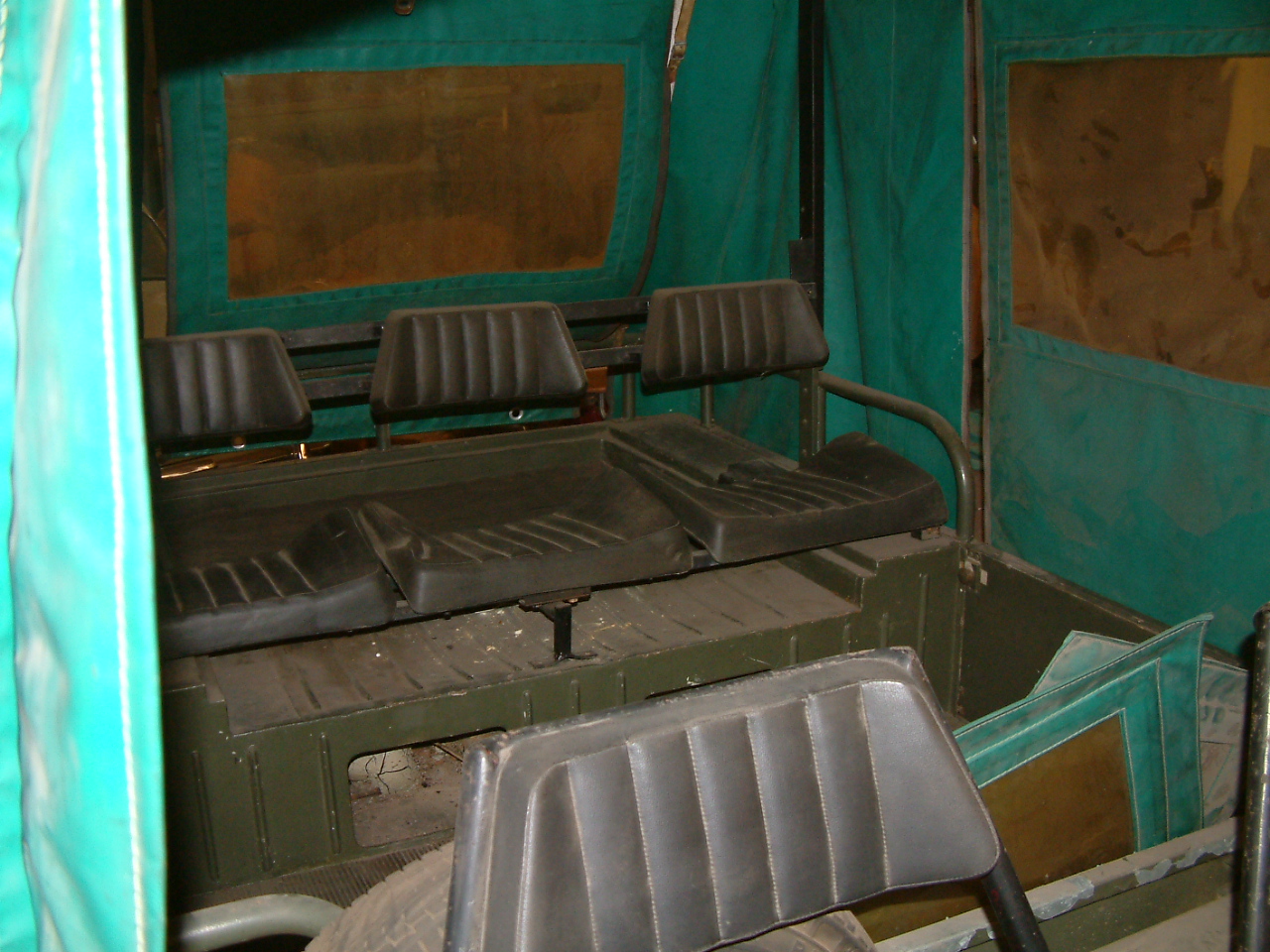
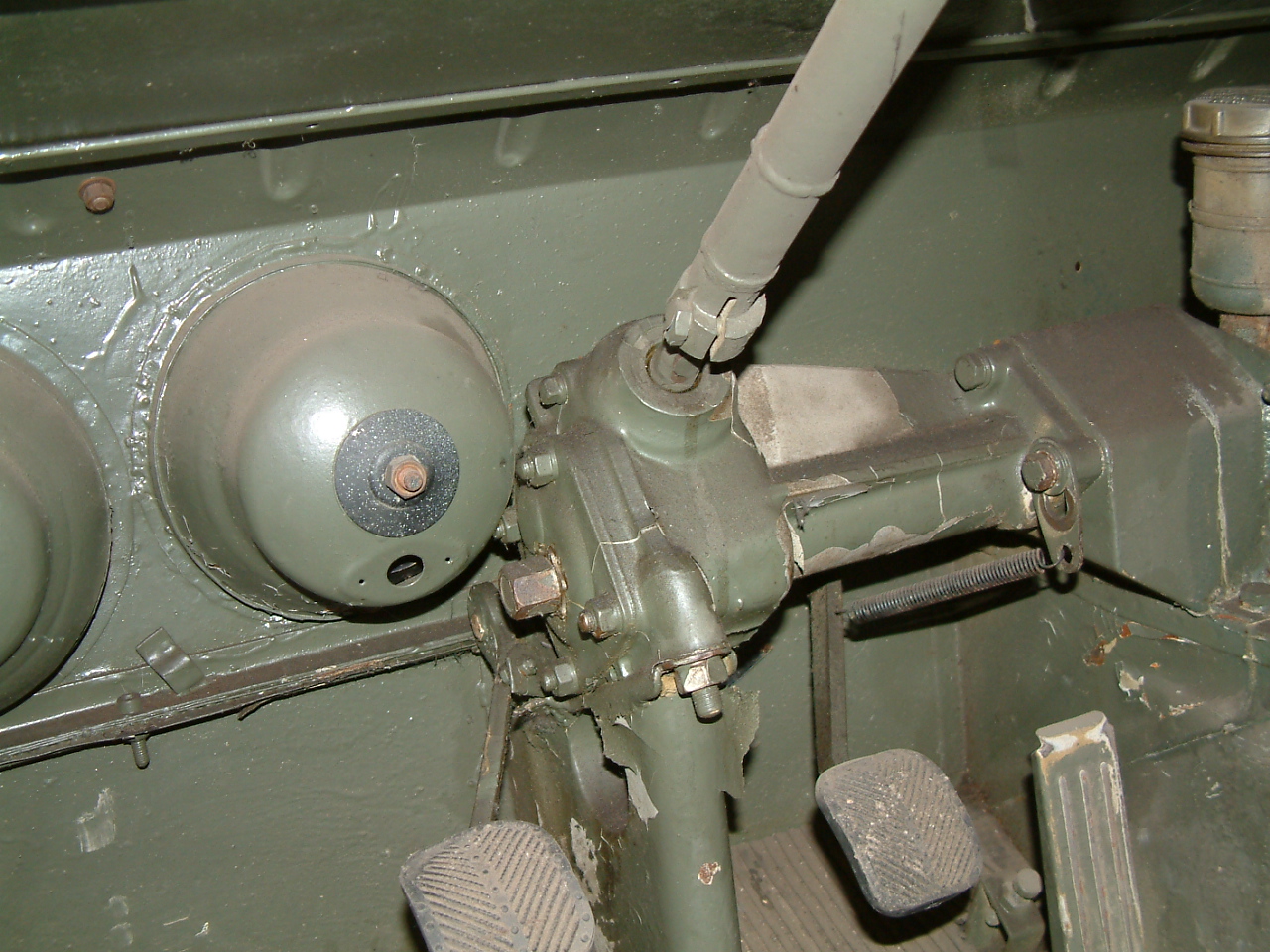
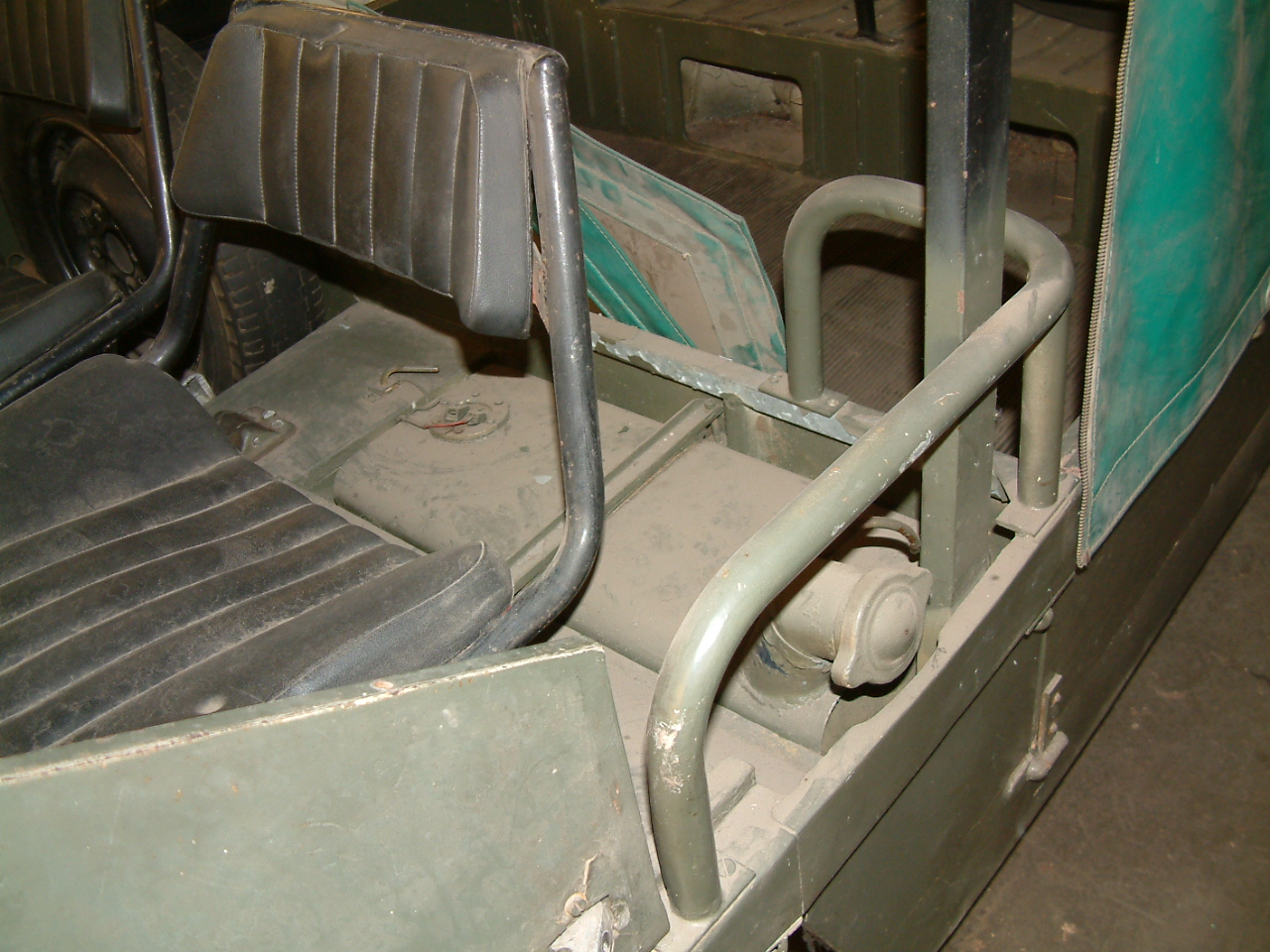
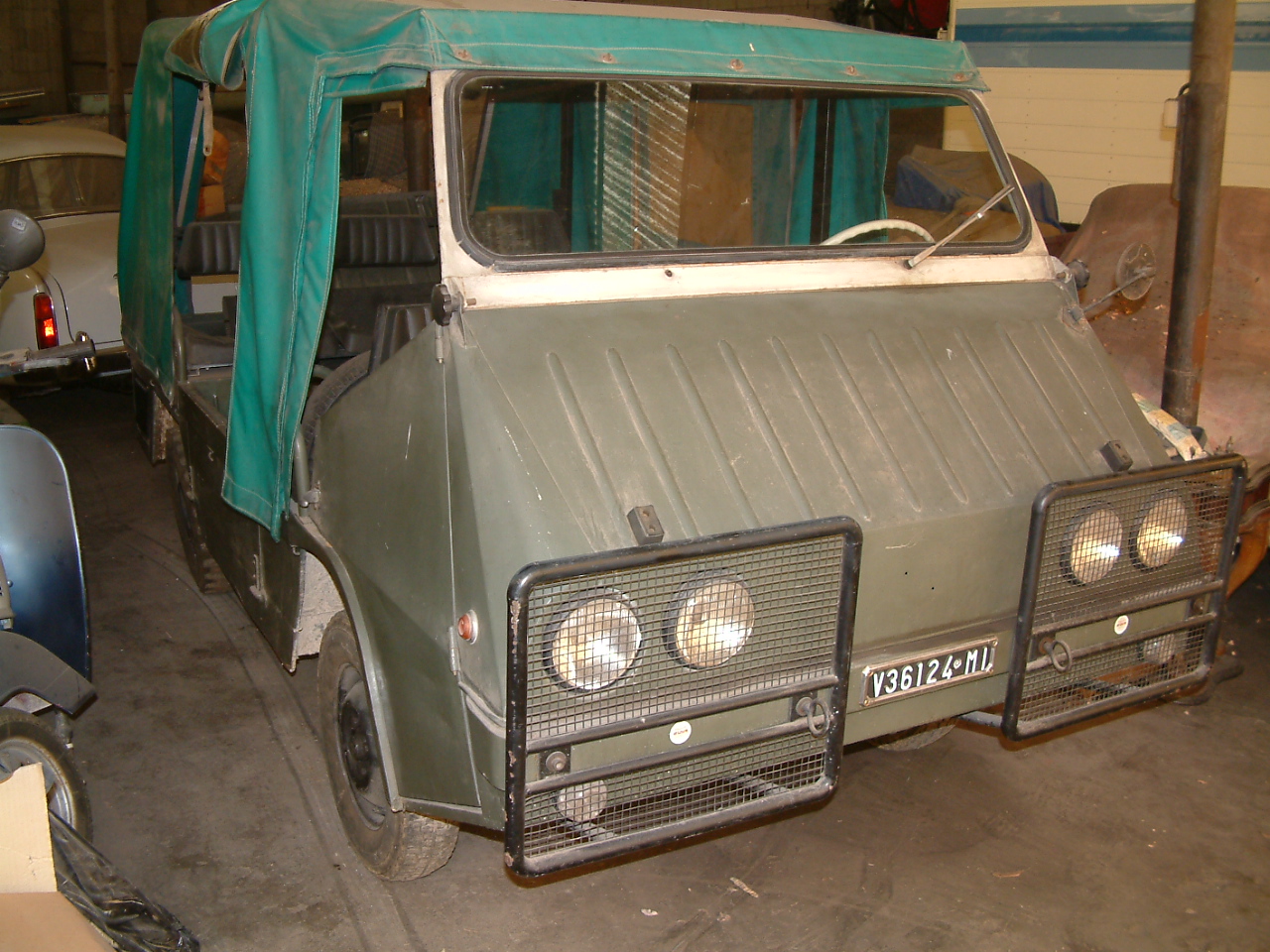
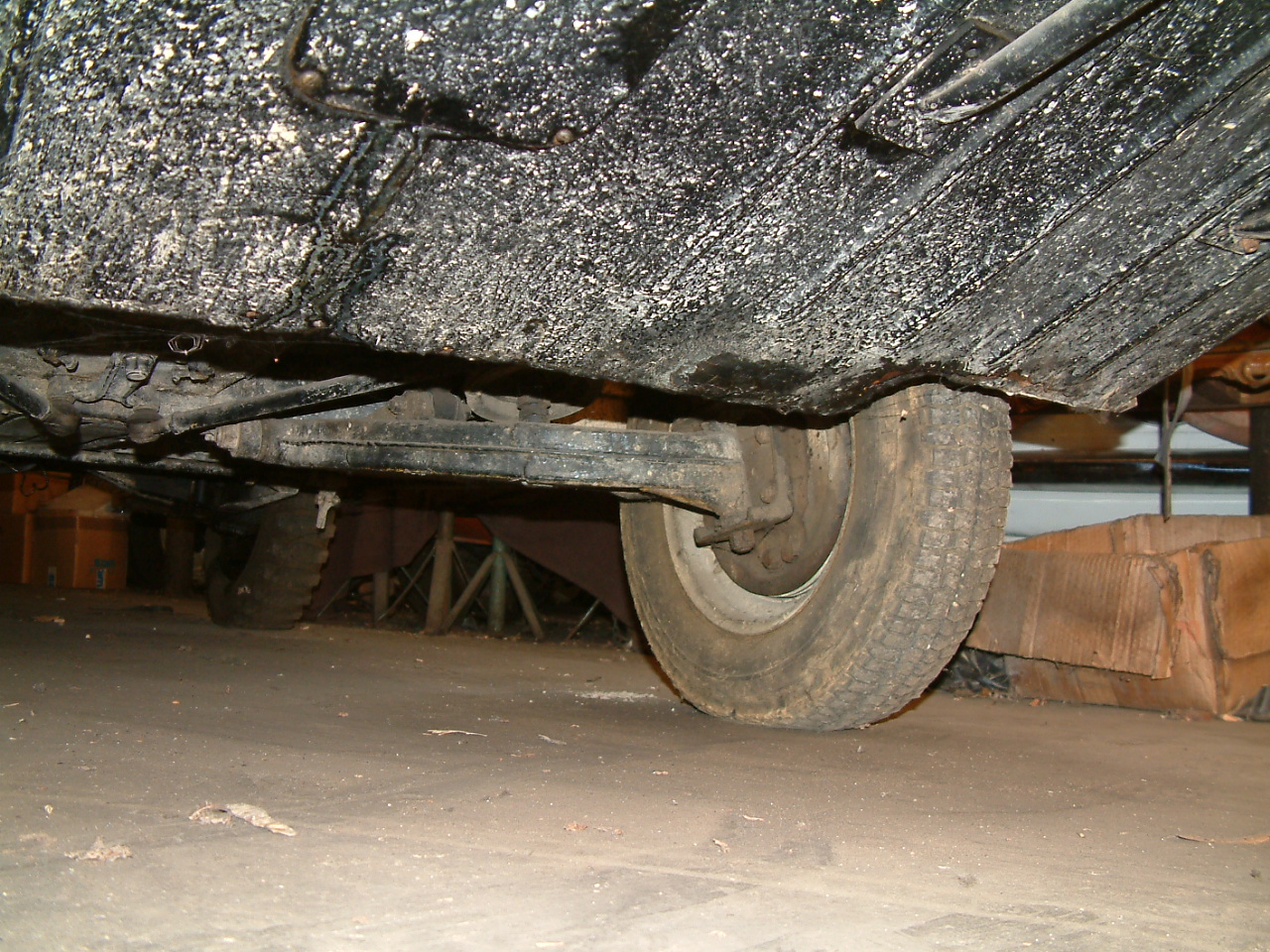
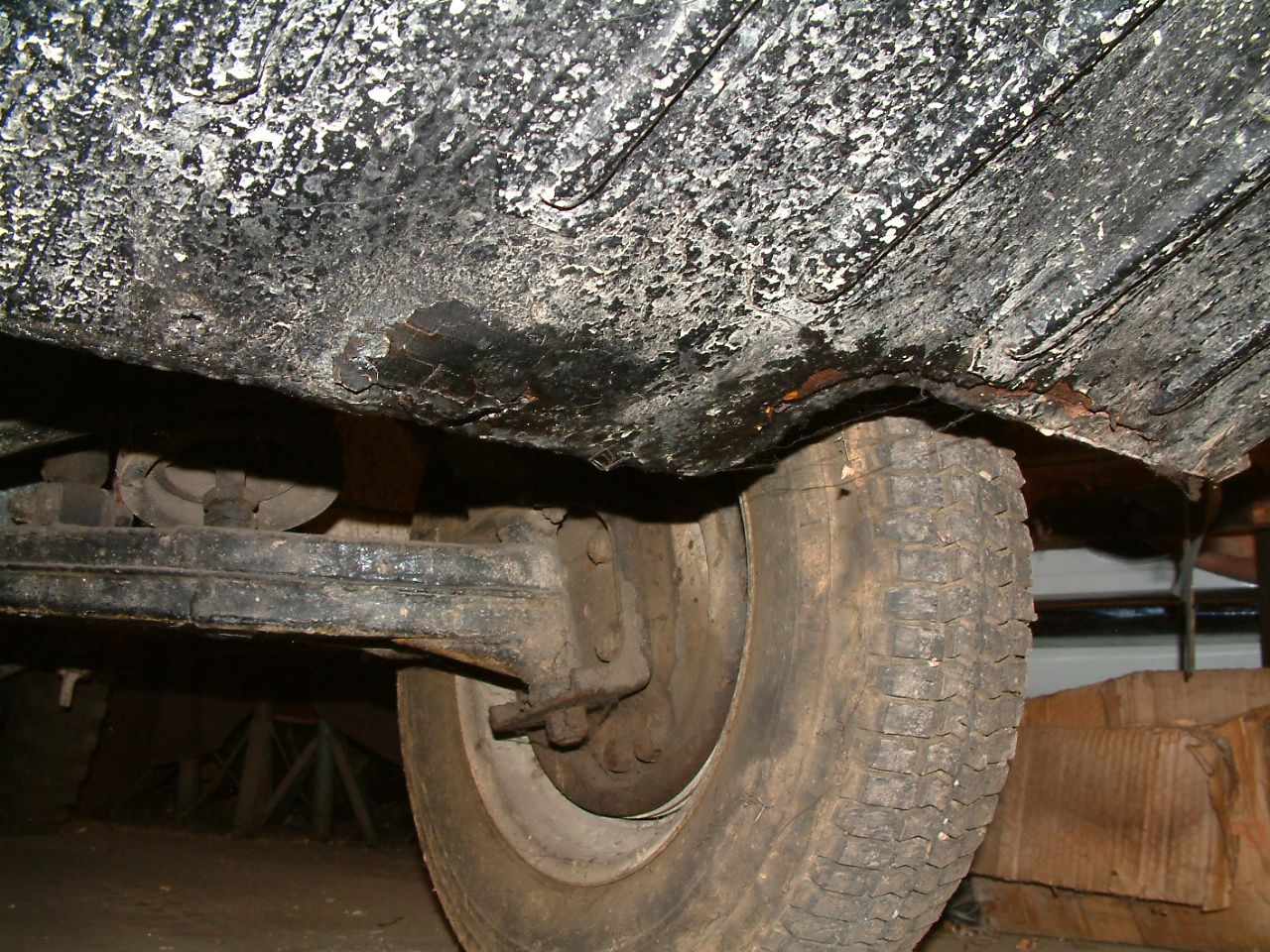
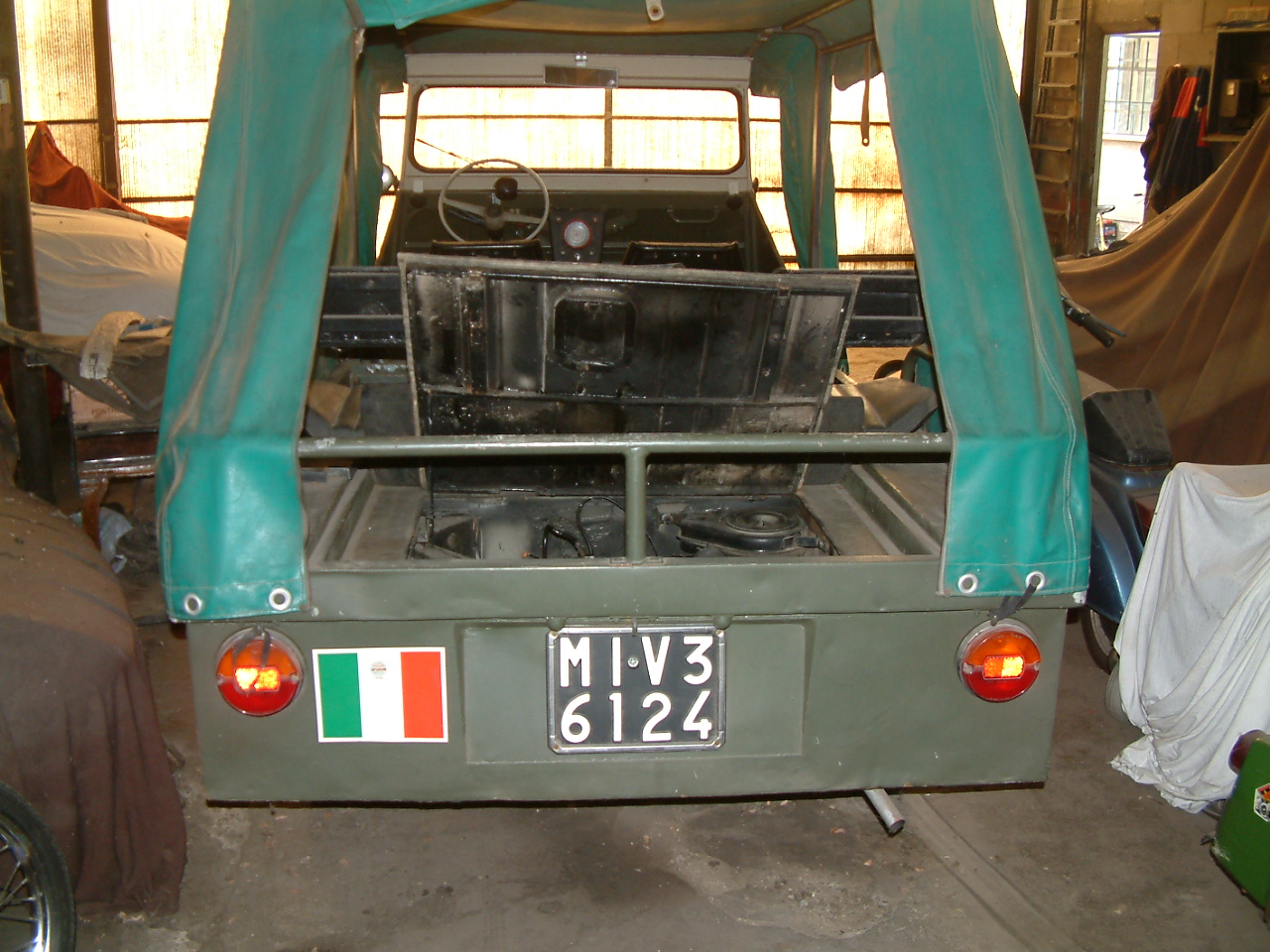
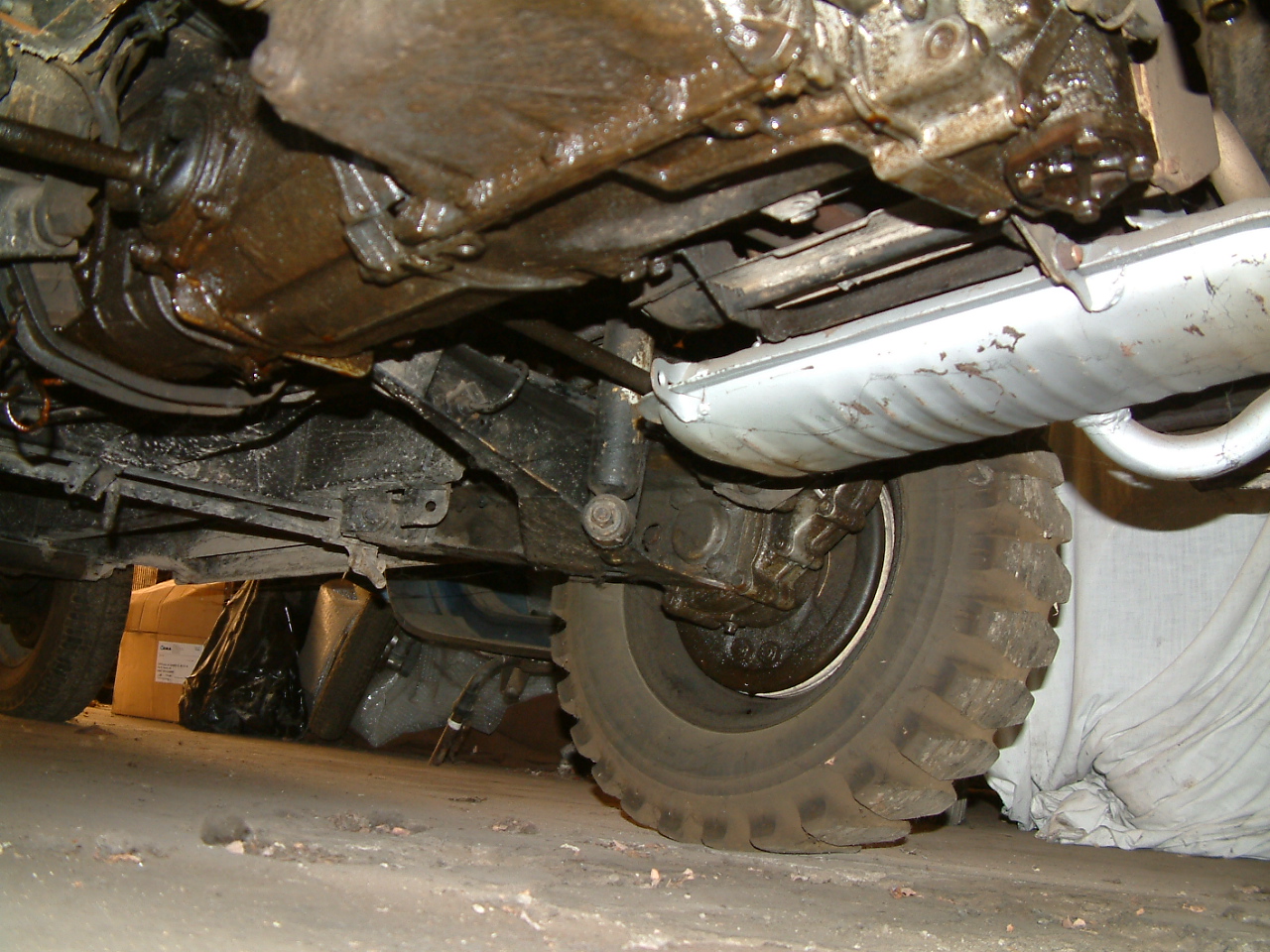
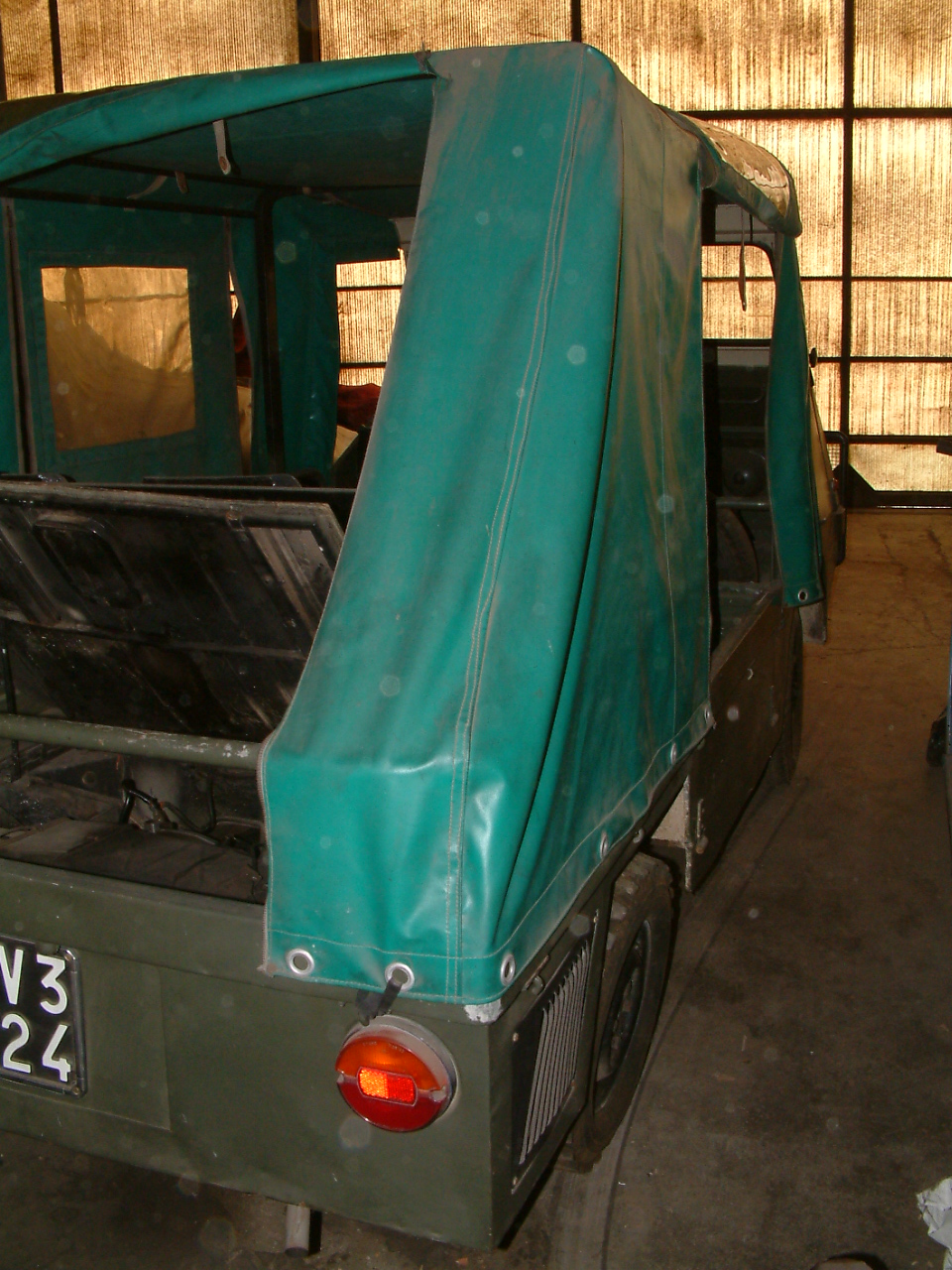
A prototype was built. What it was meant for has not been established: the 2021 auction documentation describes it as a light transporter for agriculture, and the papers officially list it as an «autocarro», registered for private use; its military get-up points the other way. That does not prove what it was used for: a demonstrator for the army would also have been registered as a civilian vehicle. In any case the two readings need not contradict each other – the same vehicle may have been offered to the army and classified differently later on.
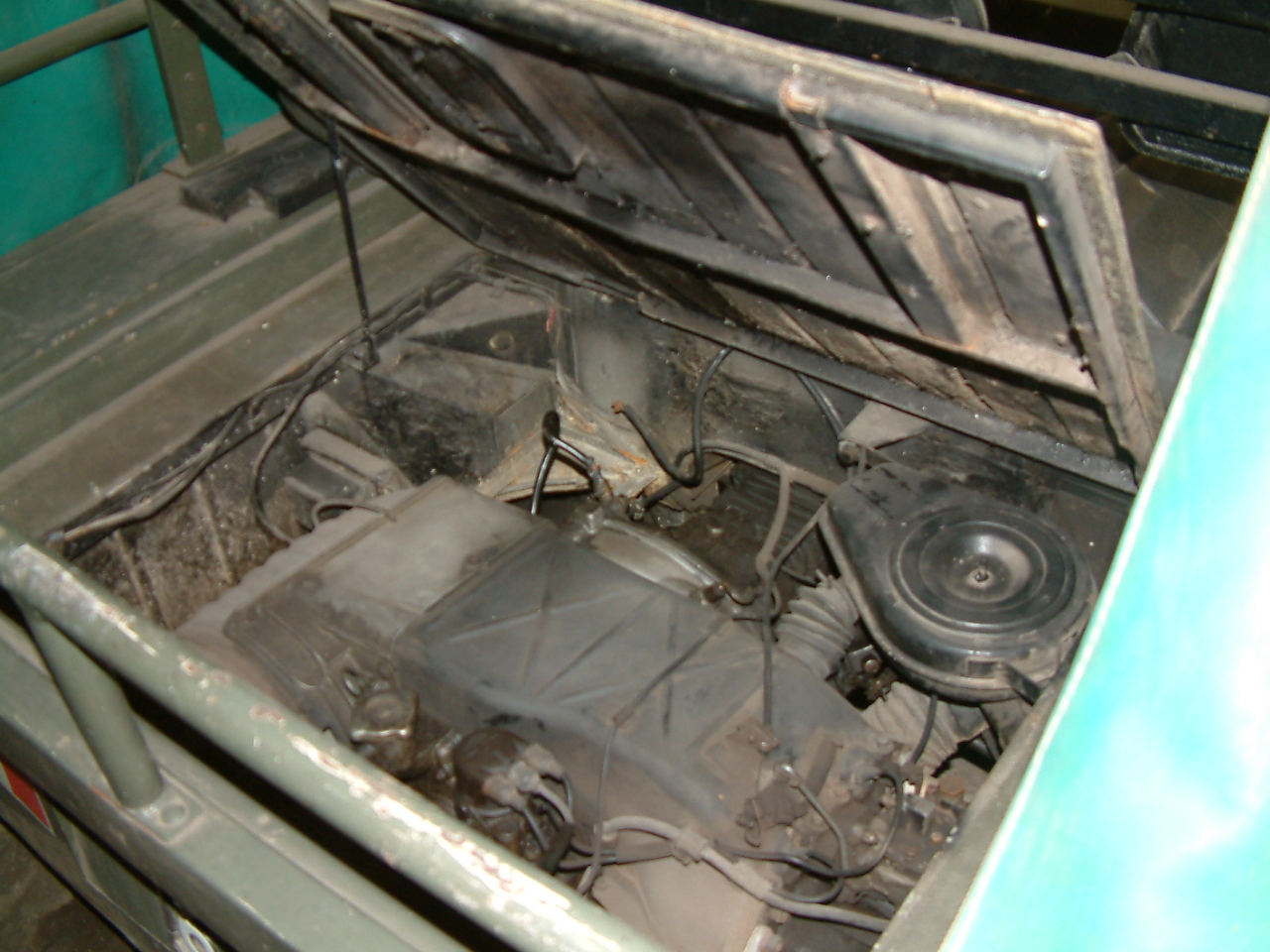
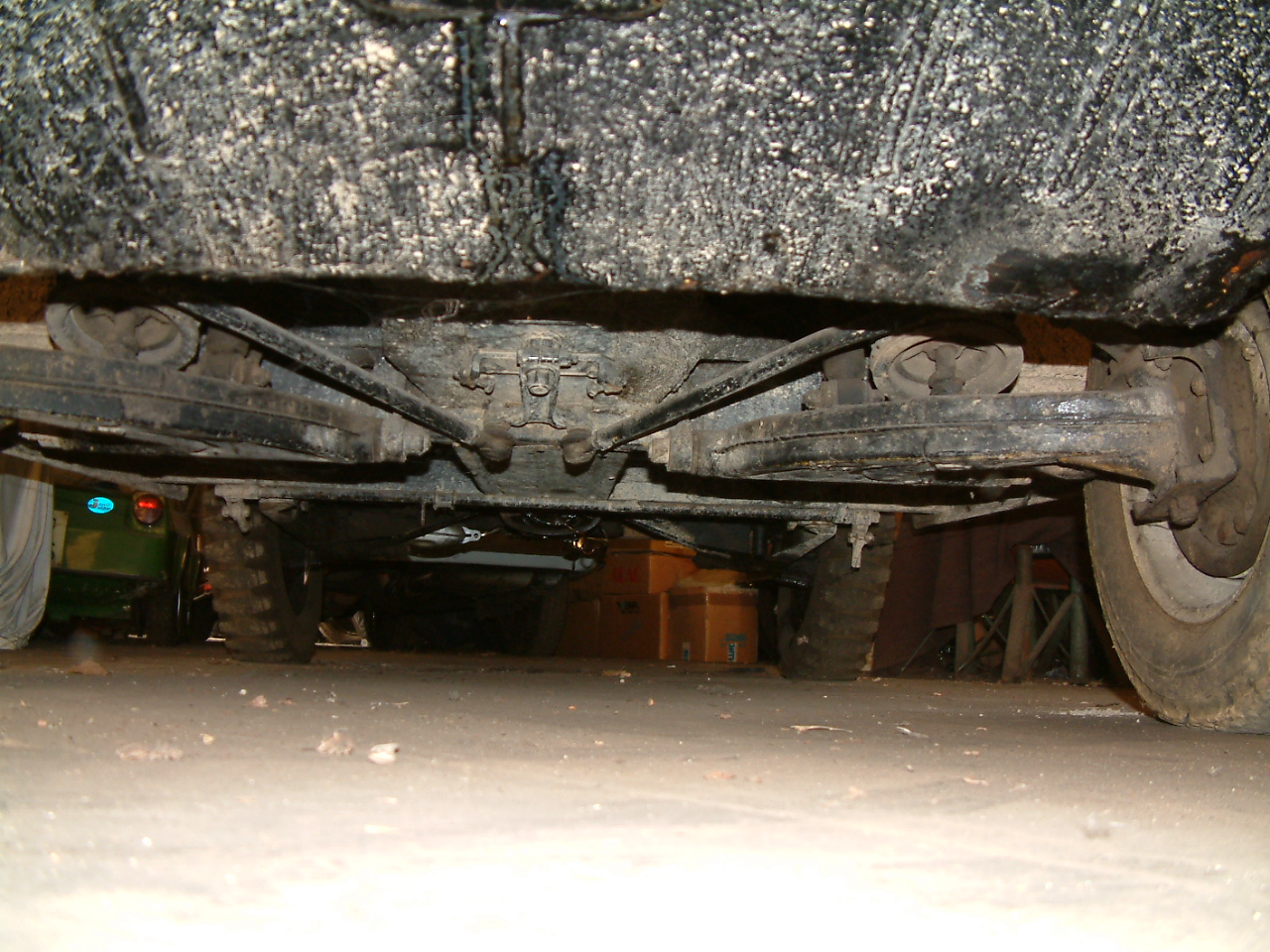
The vehicle with chassis number 100001 has a 500 estate engine and independent suspension like the 2CV.
The vehicle was drawn by Pierluigi Raggi (1924 – Milan, 7 July 2012). The works drawing held in the collection carries his signature in the technical office field.
Raggi came from aeronautical engineering and worked for many years at ISO in Bresso, where he headed the design office. His best-known work is the Isetta: Ermenegildo Preti set out the general layout and handed the design of the body and frame to Raggi. He later contributed to the marque’s sports cars, working among other things on the chassis of the Rivolta GT.